JW Alumni

A New Point Of View

A professional team designing a fintech app interface, showcasing custom SaaS solutions and user-friendly UI/UX design.

How Fintech Apps Benefit from Custom SaaS and UI/UX Design

Imagine launching a fintech app that needs to build trust instantly, handle sensitive data securely, and adapt quickly to user needs. The foundation behind such an app often lies in tailored software solutions and thoughtful interface design. Custom SaaS platforms and strategic UI/UX decisions are now central to fintech app success stories, helping innovative companies stand out in a crowded market.

Why Custom SaaS Powers Fintech Progress

Off-the-shelf platforms can’t always keep pace with the regulatory demands and fast-changing user expectations of fintech. Companies investing in custom SaaS gain flexibility and scalability, allowing features to evolve as their business grows. With custom KYC software development, for example, fintechs can implement robust identity verification flows that match local compliance while delivering a frictionless onboarding experience. This avoids the delays and drop-offs that generic solutions can create, supporting both customer satisfaction and compliance.

UI/UX Design as a Competitive Edge

Users expect fintech apps to be reliable and simple, even when the underlying services are complex. Smart UI/UX design translates intricate processes, such as loan applications, digital wallets, or investment management, into clear workflows. This reduces support queries and builds confidence during high-stakes actions. Thoughtful interface decisions matter even more with features like biometric authentication or real-time financial dashboards, where clarity and responsiveness can make or break user trust.

Integrating Blockchain and AI for Enhanced Value

Fintech providers are looking to blockchain development and artificial intelligence to create secure, transparent, and highly personalized solutions. Blockchain can enable instant settlements and audit trails, while AI automates fraud detection or tailors financial advice. Integrating these technologies into a custom SaaS platform allows fintechs to quickly test and launch new features, keeping them a step ahead in a competitive environment.

Building the Right Fintech Solution

Development teams that understand the specific compliance, security, and user experience needs of fintech apps deliver more effective products. Deep domain expertise means faster launch times, better risk management, and a digital experience that users trust with their assets. If you are considering a custom project or want to learn how advanced features like blockchain or AI might fit into your roadmap, you can always reach out to Prostrive for a discussion tailored to your goals.

Where to Learn More About Fintech App Design and Development

For a deeper dive into practical fintech app strategies, from detailed UI/UX case studies to the latest in SaaS and blockchain integration, look for guides and resources focused on secure onboarding, scalable architecture, and user-centric design. These materials can help you identify the right questions to ask and the features that will set your next fintech app apart.

Plafonnier industriel en métal suspendu dans un salon moderne avec une décoration urbaine.

Plafonnier industriel, style loft pour votre espace de vie

Le style industriel séduit par son authenticité et son caractère brut, apportant une touche urbaine irrésistible à la décoration intérieure. Que vous aménagiez un loft ou que vous souhaitiez redynamiser votre salon, le choix d’un plafonnier industriel est une excellente manière d’affirmer votre style tout en optimisant l’éclairage de votre pièce.

L’essence du plafonnier industriel et ses avantages

Inspiré des anciennes usines et ateliers, le plafonnier industriel se distingue par ses matériaux robustes, comme l’acier, le métal brossé ou le verre brut. Ses formes épurées et ses finitions patinées s’intègrent naturellement dans un environnement contemporain ou classique. Opter pour un plafonnier industriel, c’est choisir un luminaire qui marie fonctionnalité, esthétique et durabilité. Ce type de luminaire diffuse une lumière généreuse, idéale pour éclairer uniformément un salon spacieux ou une pièce à vivre à plafond haut.

Créer une ambiance loft avec des luminaires adaptés

Pour réussir un style loft, l’éclairage joue un rôle clé. Les plafonniers modernes de style industriel s’associent parfaitement avec d’autres types de luminaires comme les appliques murales design ou les lampadaires. Par exemple, dans un salon, un plafonnier industriel installé au centre de la pièce peut être complété par des appliques murales aux lignes épurées pour varier les sources de lumière et créer différentes ambiances selon les moments de la journée.

  • Dans l’entrée, un plafonnier industriel compact accueille vos invités avec style.
  • Dans la cuisine, privilégiez les modèles avec plusieurs spots orientables pour éclairer chaque recoin.
  • Associez-le à des lampes de table modernes pour un coin lecture chaleureux dans la chambre ou le séjour.

Conseils pour bien choisir votre plafonnier industriel

Plusieurs critères sont à prendre en compte pour sélectionner le luminaire adapté à votre espace :

  1. Taille de la pièce : Un plafonnier imposant convient aux grandes surfaces, tandis qu’un modèle plus discret sera parfait pour une entrée ou un couloir.
  2. Type d’ampoule : Les LED sont recommandées pour leur durabilité et leur faible consommation, tout en offrant un éclairage puissant.
  3. Style et finition : Les finitions noires ou gris anthracite sont typiques du style industriel, alors que les touches de laiton ou de cuivre apportent une note plus chic.

L’emplacement du plafonnier a aussi son importance : placez-le au-dessus de la table à manger pour un effet convivial, ou dans la cuisine pour un éclairage fonctionnel. Pensez à harmoniser l’ensemble avec des appliques murales rustiques ou design pour un résultat cohérent.

Optimiser l’éclairage dans chaque pièce

L’éclairage ne se limite pas à une seule source. Variez les points lumineux pour mettre en valeur les volumes et créer une atmosphère accueillante. Dans la salle de bain, privilégiez des appliques murales étanches assorties au plafonnier. À l’extérieur, prolongez le style industriel avec des luminaires adaptés à la terrasse ou à l’entrée, en choisissant des modèles conçus pour l’éclairage extérieur.

Comment approfondir votre projet d’éclairage industriel

Pour aller plus loin dans l’aménagement de votre intérieur, explorez des guides consacrés aux différents types de luminaires : appliques murales pour le salon ou la chambre, lampadaires design pour un coin lecture, ou solutions d’éclairage adaptées à la cuisine et à l’entrée. Ces ressources vous aideront à sélectionner les modèles les mieux adaptés à chaque espace, à jouer avec les hauteurs et les intensités lumineuses, et à obtenir un effet loft authentique et personnalisé.

Temperaturregelung in der Kunststoffrecyclingmaschine zeigt moderne Heiztechnik und Effizienz.

Wie Heiztechnik und Kunststoffrecycling zusammenspielen

Temperatur ist ein entscheidender Faktor im Kunststoffrecycling. Ohne präzise Heiztechnik wäre das Aufbereiten und Umformen von Kunststoffabfällen kaum denkbar. Was viele nicht wissen: Selbst in kleinen Werkstätten kommen spezialisierte Geräte wie eine hand spritzgussmaschine zum Einsatz, um Altplastik in hochwertige Produkte zu verwandeln.

Beheizung und Temperatursteuerung in Recyclingmaschinen

Beim Recycling von Kunststoffen müssen Materialien zunächst aufgeschmolzen werden. Hierzu sind Heizpatronen, Heizbänder für Düsen und spezielle Schraubenheizer erforderlich. Temperaturregelgeräte sorgen dafür, dass die Werkstoffe exakt auf die benötigte Temperatur gebracht werden. Ein falscher Wert kann die Materialeigenschaften negativ beeinflussen oder zu Energieverschwendung führen. Moderne Temperaturmesstechnik ermöglicht es, selbst kleinste Abweichungen schnell zu erkennen und gegenzusteuern.

Isolierung und Energieeffizienz im Fokus

Um die Wärmeverluste in den Anlagen so gering wie möglich zu halten, werden Isolierhülsen verwendet. In Kombination mit effizienten Rohrkonstruktionen und flexiblen Rohrheizkörpern lässt sich der Energiebedarf deutlich senken. Gerade bei längeren Produktionszyklen spielt die Qualität der Isolierung eine zentrale Rolle, um Ressourcen zu schonen und die Betriebskosten zu minimieren.

  • Hochwertige Isolierhülsen verhindern Wärmeabgabe an die Umgebung.
  • Individuell angepasste Rohrheizkörper ermöglichen punktgenaue Erwärmung.
  • Durchdachte Heizplinten sorgen für optimale Temperaturverteilung im gesamten System.

Die Bedeutung der Temperaturregelung für die Produktqualität

Ob Spritzguss oder Extrusion: Die Qualität des Endprodukts hängt maßgeblich von einer konstanten Temperaturführung ab. Temperaturregler und präzise Messtechnik gewährleisten, dass recyceltes Kunststoffmaterial nicht verbrennt oder spröde wird. Besonders bei komplexen Geometrien, wie sie etwa bei gewickelten Rohrpatronen und flexiblen Heizsystemen vorkommen, ist eine genaue Steuerung unerlässlich.

Worauf es bei der Ausstattung ankommt

Die Vielfalt an Lösungen ist groß. Zuverlässige Industrieausstatter wie Industrieausstatter Frenztechnik bieten neben klassischen Heizpatronen auch spezialisierte Komponenten wie Mundstück-Heizbänder, flexible Rohrheizkörper und komplette Temperaturregelanlagen an. Für den Aufbau oder die Modernisierung einer Recyclinglinie ist es sinnvoll, sich frühzeitig mit den verschiedenen Varianten auseinanderzusetzen und auf modulare Systeme zu setzen, die sich bei Bedarf erweitern oder anpassen lassen.

Mehr erfahren: Praxistipps für energieeffizientes Kunststoffrecycling

Für Betriebe, die ihre Prozesse weiter optimieren möchten, lohnt sich ein Blick in praxisnahe Ratgeber zum Thema Heiztechnik im Kunststoffrecycling. Dort finden sich konkrete Anwendungsbeispiele, Tipps für die Auswahl von Temperaturreglern und Hinweise zur Integration neuer Heizsysteme. Wer mehr über energieeffiziente Lösungen erfahren will, findet im entsprechenden Fachbereich wertvolle Informationen für den nächsten Schritt in Richtung nachhaltiger Produktion.

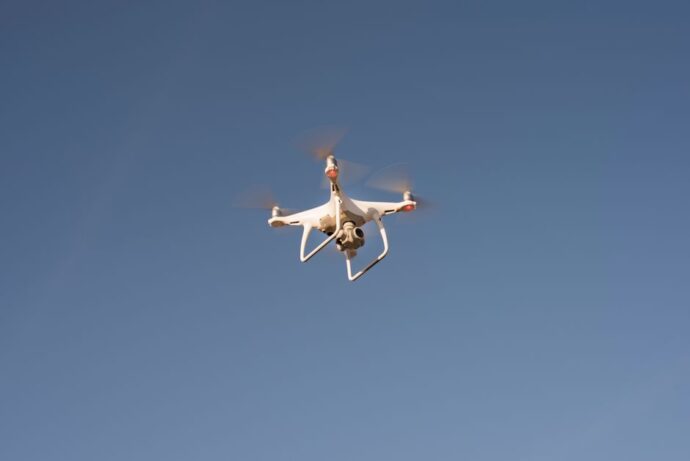
Een professionele drone inspecteert een hoogspanningslijn voor nauwkeurige gegevensverzameling.

Choosing Professional Drones for Inspection Purposes

In recent years, the use of drones has revolutionized the way inspections are conducted across various industries. Whether it’s inspecting infrastructure, utilities, or security perimeters, professional drones have become indispensable tools for enhancing efficiency, safety, and data accuracy. Choosing the right drone for inspection purposes is essential to maximize these benefits. This article explores key considerations and features that define effective professional inspection drones, helping businesses make an informed decision.

Understanding the Role of Professional Inspection Drones

Professional inspection drones are designed specifically to meet the rigorous demands of industrial and commercial inspection tasks. Unlike consumer drones, these UAVs (Unmanned Aerial Vehicles) offer enhanced stability, longer flight times, and specialized sensors tailored to inspection needs. They can operate in challenging environments, providing detailed aerial data without putting human inspectors at risk.

Common applications of professional inspection drones include:

  • Infrastructure inspections (bridges, buildings, and towers)
  • Utility inspections (power lines, pipelines, and solar panels)
  • Security surveillance and perimeter monitoring
  • Environmental assessments and agricultural monitoring

Understanding these applications helps narrow down which drone features are most critical for your specific inspection purposes.

Key Features to Consider When Selecting an Inspection Drone

When choosing professional inspection drones, consider the following factors that directly impact inspection quality and operational efficiency:

  1. Flight Time and Range: Longer flight times and extended operational range reduce the need for frequent battery swaps and allow for comprehensive inspections of large or remote sites.
  2. Payload Capacity: The drone must support the necessary sensors and cameras without compromising flight stability.
  3. Sensor and Camera Technology: High-resolution RGB cameras, thermal imaging, LiDAR, and multispectral sensors provide critical data for detailed inspections.
  4. Durability and Weather Resistance: Professional drones should withstand harsh environmental conditions to ensure reliability during outdoor inspections.
  5. Ease of Operation and Data Integration: User-friendly control systems and seamless integration with data analysis software streamline inspection workflows.

The Importance of Choosing a Reputable Manufacturer

Selecting drones from a trusted supplier ensures reliability, support, and access to the latest technology. For example, specialist drone builder Acecore is known for producing robust and advanced UAVs tailored for inspection and industrial applications. Their expertise in creating drones that balance performance, durability, and sensor integration makes them a strong candidate for organizations seeking professional-grade inspection tools.

Working with a specialist drone builder Acecore ensures access to customized solutions that can be adapted to specific inspection challenges, whether for drone utility inspection, drone security, or other commercial drone applications.

Comparing UAVs and Drones: What’s the Difference?

Understanding the terminology is important when exploring inspection equipment options. The term UAV (Unmanned Aerial Vehicle) technically refers to the aircraft itself, while “drone” is a broader term often used interchangeably. In inspection contexts, UAVs are typically professional-grade devices equipped with specialized sensors and cameras. This distinction helps in selecting the right equipment, as commercial drones vary widely in capabilities and are not always designed for detailed inspection tasks.

Integrating Drones into Inspection Workflows

Successful drone inspections depend not just on the hardware but also on how well drones integrate into existing workflows. Consider the following best practices:

  • Plan flight paths carefully to cover all inspection points efficiently.
  • Use drones equipped with real-time data transmission for immediate analysis.
  • Ensure compliance with local regulations and safety guidelines.
  • Train operators thoroughly to maximize the drone’s capabilities and ensure safety.

Incorporating these practices amplifies the benefits of drone inspection, such as reducing downtime, improving safety, and collecting high-quality data.

Elevating Inspection Standards with Advanced Drone Technology

As industries continue to embrace innovation, professional drones are becoming vital assets in inspection and surveillance operations. By carefully selecting drones that align with your specific requirements—considering factors like sensor technology, flight capabilities, and manufacturer expertise—you can significantly enhance operational efficiency and safety. Embracing the right drone technology not only streamlines inspections but also opens new possibilities for data-driven decision-making and proactive maintenance strategies.

Pinterest
LinkedIn
Share
Instagram