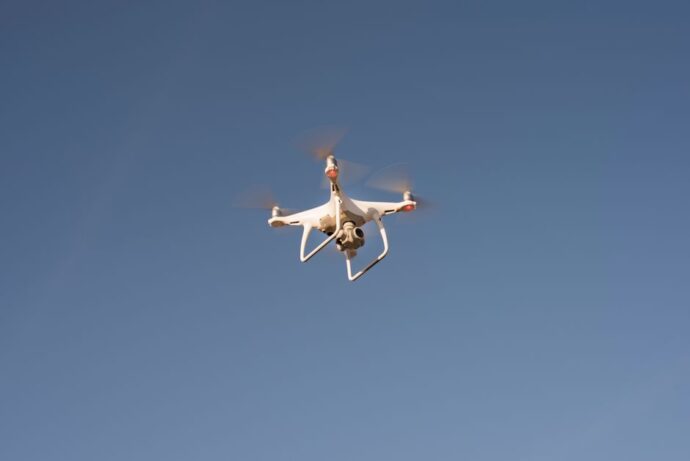
In recent years, the use of drones has revolutionized the way inspections are conducted across various industries. Whether it’s inspecting infrastructure, utilities, or security perimeters, professional drones have become indispensable tools for enhancing efficiency, safety, and data accuracy. Choosing the right drone for inspection purposes is essential to maximize these benefits. This article explores key considerations and features that define effective professional inspection drones, helping businesses make an informed decision.
Understanding the Role of Professional Inspection Drones
Professional inspection drones are designed specifically to meet the rigorous demands of industrial and commercial inspection tasks. Unlike consumer drones, these UAVs (Unmanned Aerial Vehicles) offer enhanced stability, longer flight times, and specialized sensors tailored to inspection needs. They can operate in challenging environments, providing detailed aerial data without putting human inspectors at risk.
Common applications of professional inspection drones include:
- Infrastructure inspections (bridges, buildings, and towers)
- Utility inspections (power lines, pipelines, and solar panels)
- Security surveillance and perimeter monitoring
- Environmental assessments and agricultural monitoring
Understanding these applications helps narrow down which drone features are most critical for your specific inspection purposes.
Key Features to Consider When Selecting an Inspection Drone
When choosing professional inspection drones, consider the following factors that directly impact inspection quality and operational efficiency:
- Flight Time and Range: Longer flight times and extended operational range reduce the need for frequent battery swaps and allow for comprehensive inspections of large or remote sites.
- Payload Capacity: The drone must support the necessary sensors and cameras without compromising flight stability.
- Sensor and Camera Technology: High-resolution RGB cameras, thermal imaging, LiDAR, and multispectral sensors provide critical data for detailed inspections.
- Durability and Weather Resistance: Professional drones should withstand harsh environmental conditions to ensure reliability during outdoor inspections.
- Ease of Operation and Data Integration: User-friendly control systems and seamless integration with data analysis software streamline inspection workflows.
The Importance of Choosing a Reputable Manufacturer
Selecting drones from a trusted supplier ensures reliability, support, and access to the latest technology. For example, specialist drone builder Acecore is known for producing robust and advanced UAVs tailored for inspection and industrial applications. Their expertise in creating drones that balance performance, durability, and sensor integration makes them a strong candidate for organizations seeking professional-grade inspection tools.
Working with a specialist drone builder Acecore ensures access to customized solutions that can be adapted to specific inspection challenges, whether for drone utility inspection, drone security, or other commercial drone applications.
Comparing UAVs and Drones: What’s the Difference?
Understanding the terminology is important when exploring inspection equipment options. The term UAV (Unmanned Aerial Vehicle) technically refers to the aircraft itself, while “drone” is a broader term often used interchangeably. In inspection contexts, UAVs are typically professional-grade devices equipped with specialized sensors and cameras. This distinction helps in selecting the right equipment, as commercial drones vary widely in capabilities and are not always designed for detailed inspection tasks.
Integrating Drones into Inspection Workflows
Successful drone inspections depend not just on the hardware but also on how well drones integrate into existing workflows. Consider the following best practices:
- Plan flight paths carefully to cover all inspection points efficiently.
- Use drones equipped with real-time data transmission for immediate analysis.
- Ensure compliance with local regulations and safety guidelines.
- Train operators thoroughly to maximize the drone’s capabilities and ensure safety.
Incorporating these practices amplifies the benefits of drone inspection, such as reducing downtime, improving safety, and collecting high-quality data.
Elevating Inspection Standards with Advanced Drone Technology
As industries continue to embrace innovation, professional drones are becoming vital assets in inspection and surveillance operations. By carefully selecting drones that align with your specific requirements—considering factors like sensor technology, flight capabilities, and manufacturer expertise—you can significantly enhance operational efficiency and safety. Embracing the right drone technology not only streamlines inspections but also opens new possibilities for data-driven decision-making and proactive maintenance strategies.